
CCTV installations have become an essential component of modern security solutions. Both homes and businesses require robust security measures to protect property, assets, and individuals. While the primary goal of CCTV installations is the same in both contexts—to deter crime and monitor activity the requirements, system design, and implementation strategies differ significantly between residential and commercial settings. This article explores the distinctions, benefits, and considerations involved in CCTV installations for homes and businesses.
Understanding CCTV Installations
What Are CCTV Installations
Closed-circuit television, commonly known as CCTV, involves the use of cameras to transmit video footage to specific monitors for surveillance purposes. CCTV installations are not only tools for security but also play a role in monitoring operational efficiency, ensuring safety, and providing evidence in case of incidents. These systems can include a combination of cameras, recording devices, monitoring software, and remote access capabilities.
Importance of CCTV Installations
The importance of CCTV installations cannot be overstated. They provide peace of mind by allowing property owners to monitor activity in real-time or review recorded footage. Beyond security, CCTV installations contribute to the prevention of theft, vandalism, and other criminal activities. For businesses, they also assist in monitoring employee performance, ensuring compliance with safety regulations, and maintaining customer safety.
CCTV Installations for Homes
Key Objectives
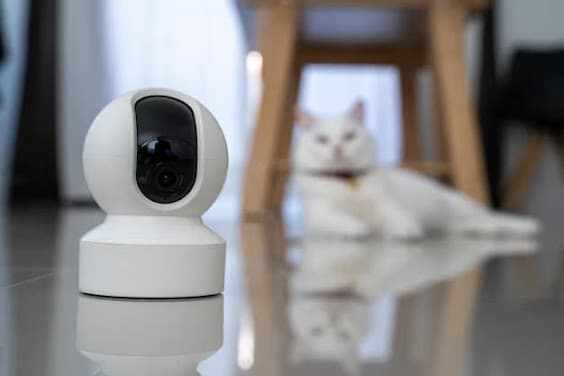
Residential CCTV installations primarily focus on protecting the home, family members, and personal property. Homeowners seek systems that prevent break-ins, monitor outdoor areas, and provide evidence in case of an incident. Additionally, CCTV systems in homes offer convenience features, such as remote monitoring via smartphones or smart home integration.
Recommended System Features
Camera Types and Placement
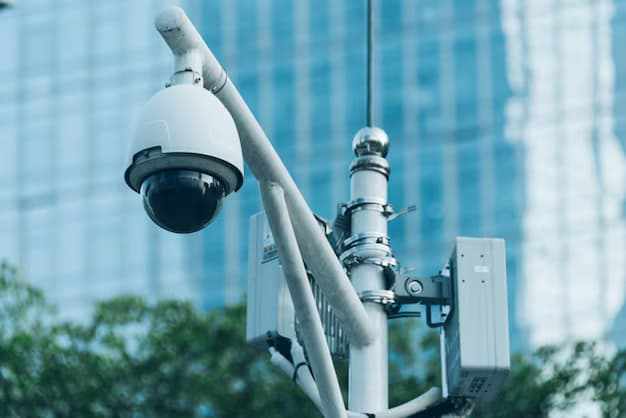
Homes typically use a mix of indoor and outdoor cameras. Outdoor cameras are often installed at entrances, driveways, and vulnerable access points. Indoor cameras are strategically placed in common areas or near valuables.Resolution and Night Vision
High-resolution cameras ensure that faces and details are clearly captured. Night vision is essential for 24-hour monitoring, especially in areas with low lighting.Storage and Cloud Options
Residential systems often include cloud storage for easy access to footage. Local storage options, such as DVRs or NVRs, are also available for homeowners preferring on-site recording.User-Friendly Interfaces
Homeowners benefit from CCTV installations that are easy to operate. Features such as mobile apps, push notifications, and simple setup make it easier to manage the system without technical expertise.
Advantages of Home CCTV Installations
Deterrence of Criminal Activity: Visible cameras discourage potential intruders from targeting the home.
Remote Monitoring: Homeowners can check their property from anywhere in the world.
Emergency Response: Footage can assist authorities in resolving incidents quickly.
Insurance Benefits: Many insurance providers offer discounts for homes equipped with CCTV installations.
CCTV Installations for Businesses
Key Objectives
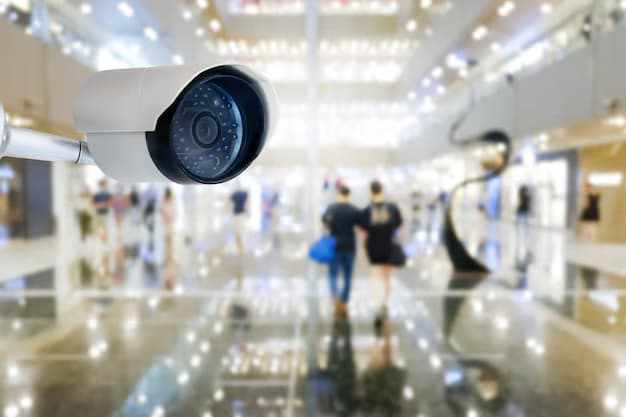
For businesses, CCTV installations serve a broader range of objectives. Protecting assets and employees is crucial, but businesses also require monitoring for operational efficiency, liability management, and customer safety. Unlike residential setups, business systems often cover larger areas and involve multiple camera types and integration with other security systems.
Recommended System Features
Comprehensive Coverage
Businesses often require surveillance of entrances, storage areas, production lines, parking lots, and cash handling areas. High-traffic zones benefit from multiple camera angles to reduce blind spots.Advanced Analytics
Business CCTV installations frequently include analytics features such as motion detection, facial recognition, and crowd monitoring. These tools enhance security and provide insights for operational improvements.Scalable Solutions
Businesses need systems that can expand as the organization grows. Modular designs and network-based CCTV installations allow for additional cameras and integration with other security measures.High-Capacity Storage
Large-scale businesses generate substantial video data. CCTV installations for businesses often include advanced NVR systems or cloud solutions capable of storing weeks or months of footage.24/7 Professional Monitoring
Many businesses opt for professional monitoring services to ensure real-time responses to security alerts. This reduces the risk of incidents going unnoticed during off-hours.
Advantages of Business CCTV Installations
Theft and Fraud Prevention: CCTV installations help prevent internal and external theft, protecting financial assets.
Workplace Safety: Monitoring ensures compliance with health and safety regulations.
Evidence for Disputes: Recorded footage serves as objective evidence in legal or operational disputes.
Operational Efficiency: Surveillance assists in assessing employee performance and optimizing workflows.
Comparing Home and Business CCTV Installations
System Complexity
Home systems are generally simpler, focusing on key areas and basic monitoring features. Business systems are more complex, often integrating multiple cameras, analytics, and professional monitoring services.
Coverage Area
Homes usually require coverage of the property perimeter and selected indoor areas. Businesses, on the other hand, need expansive coverage to monitor both employees and customers across multiple floors or locations.
Cost Considerations
Residential CCTV installations are typically less expensive, with cost influenced by camera quality, storage options, and features like remote access. Business installations demand higher investment due to scale, advanced analytics, and professional monitoring.
Installation and Maintenance
Home CCTV installations can often be completed quickly with minimal disruption, whereas business setups require careful planning, professional installation, and ongoing maintenance to ensure optimal performance.
Choosing the Right CCTV Installation
Assessing Security Needs
The first step in choosing a CCTV installation is understanding specific security needs. Homeowners should prioritize vulnerable access points, while businesses should conduct a comprehensive security audit to identify areas requiring surveillance.
Selecting Cameras and Features
Choosing the right cameras involves evaluating resolution, night vision capability, weather resistance, and smart features. Both residential and commercial users should consider future scalability and integration with other security systems.
Professional Installation
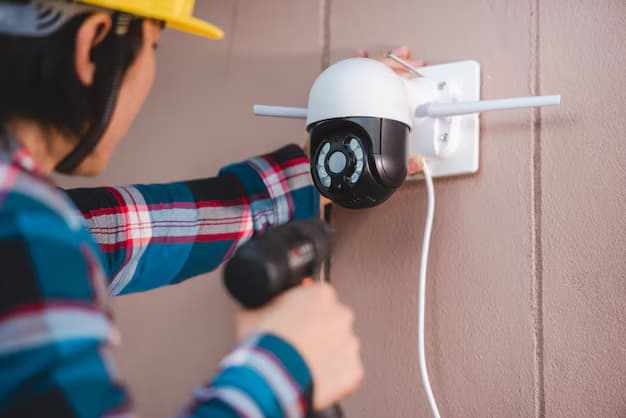
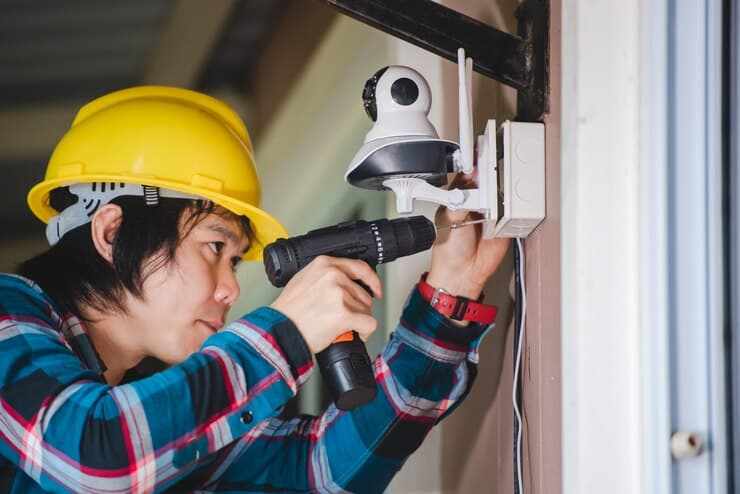
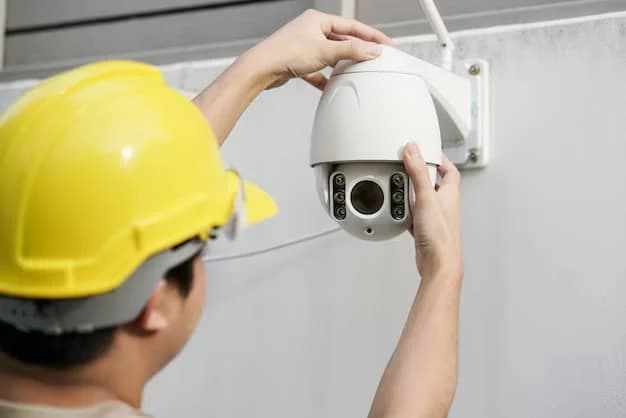
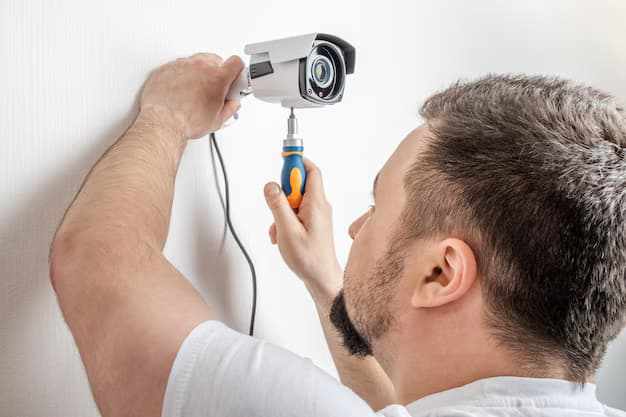
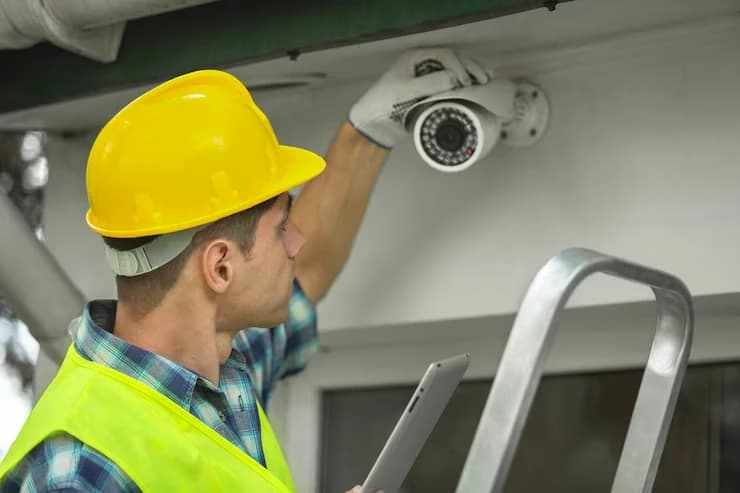
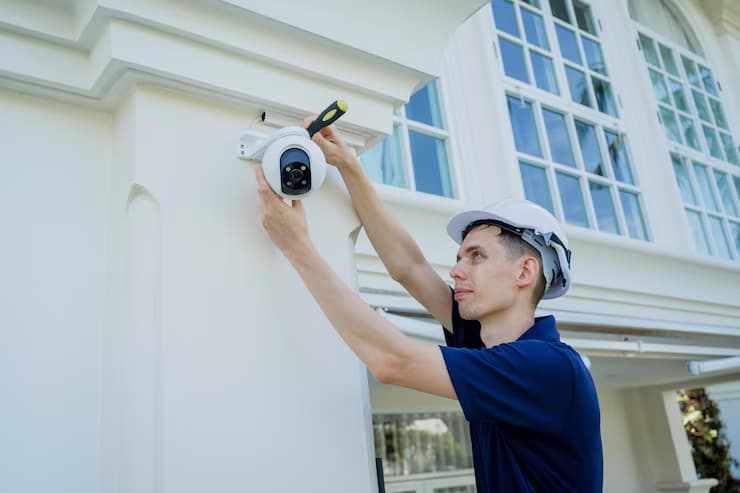
Professional installation ensures that cameras are correctly positioned, connected, and optimized for coverage. It also minimizes technical issues and enhances system reliability for both homes and businesses.
Conclusion
CCTV installations play a vital role in safeguarding property, people, and assets. While residential systems focus on personal security and convenience, business installations demand advanced technology, broader coverage, and analytics for operational and safety purposes. Understanding the differences and requirements of each context helps ensure the most effective security solution is implemented. For expert guidance and reliable service in both home and business security, CCTV offers comprehensive CCTV installations tailored to every need.



Write a comment ...