
Surveillance systems are most effective when every component works together with accuracy and consistency. Cameras, recording devices, and networks all play an important role, but the overall performance of the system depends heavily on how it is installed and configured. Hanwha cctv installer services are often associated with improved system performance because professional installers focus on planning, precision, and long term reliability rather than simple setup. A well installed system delivers clearer images, stable operation, and dependable monitoring for both homes and businesses.
This article explains how a professional CCTV installer improves system performance, from initial planning and installation to configuration, optimization, and ongoing maintenance. Understanding these factors helps property owners see why expert installation makes a measurable difference.
Understanding System Performance in CCTV Installations
What System Performance Really Means
System performance refers to how well a CCTV setup captures, records, and delivers video footage under real world conditions. This includes image clarity, consistent coverage, reliable recording, and smooth playback without interruptions.
Why Performance Is Critical for Security
Poor system performance can result in missed details, unclear footage, or recording gaps. High performance systems provide accurate information that supports prevention, monitoring, and effective response when incidents occur.
The Role of a Professional CCTV Installer
Expertise Beyond Equipment
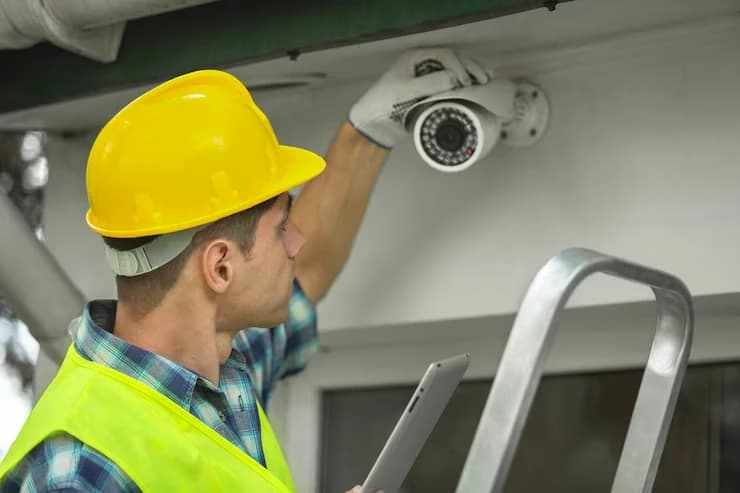
A professional installer understands that performance is not determined by hardware alone. Placement, configuration, cabling, and system integration all influence how well a CCTV system functions.
Structured Installation Approach
Professional installers follow structured methods that include assessment, design, installation, testing, and optimization. This approach ensures that system performance is consistent and dependable from the start.
Experience Across Different Environments
From private homes to busy commercial sites, professional installers adapt systems to suit different layouts, lighting conditions, and usage patterns. This adaptability directly improves system performance.
Planning for Optimal CCTV Performance
Comprehensive Site Assessment
Performance improvements begin with a detailed site assessment. Installers evaluate building layout, lighting conditions, environmental challenges, and potential obstructions that could affect camera operation.
Identifying Performance Critical Areas
High priority areas such as entrances, high traffic zones, and sensitive locations are identified during planning. These areas require the highest level of clarity and reliability.
Designing for Real World Use
Professional installers design systems based on how the space is actually used. This ensures cameras capture meaningful activity rather than irrelevant or poorly framed footage.
Camera Placement and Its Impact on Performance
Correct Height and Angle Selection
Camera height and angle directly affect image clarity and perspective. Professional installers calculate optimal positioning to capture faces, movement, and key details accurately.
Maximizing Field of View
Proper adjustment of the field of view ensures that cameras cover the intended area without excessive overlap or wasted coverage. This improves both clarity and efficiency.
Reducing Blind Spots
Through careful placement and planning, installers minimize blind spots that can reduce system effectiveness and compromise security.
Installation Quality and Hardware Stability
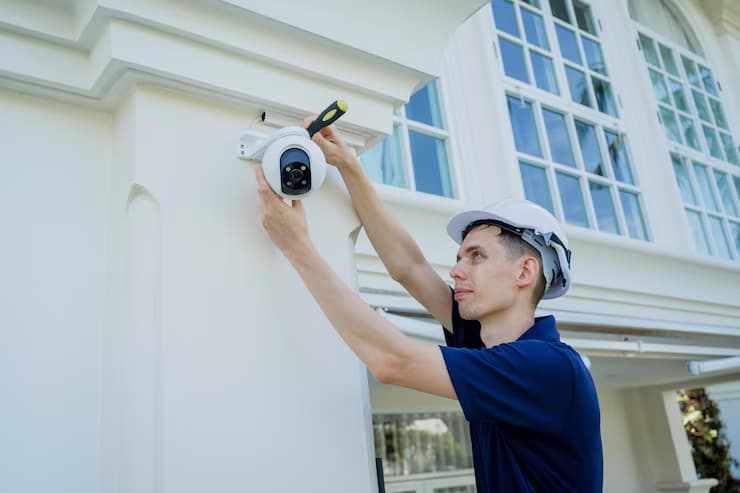
Secure Mounting for Clear Images
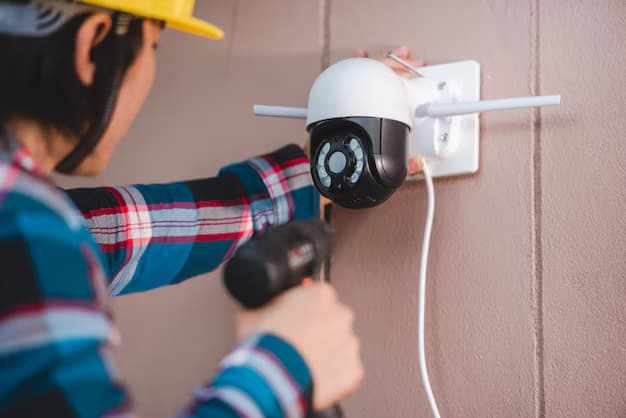
Stable mounting prevents camera movement caused by vibration or environmental factors. Secure installation ensures consistent image quality over time.
Professional Cabling Practices
Proper cable management protects connections from damage and interference. Clean and structured cabling supports reliable data transmission and power delivery.
Environmental Protection
Installers account for environmental factors such as weather exposure and temperature changes. Proper protection improves durability and system performance.
Configuration and Calibration for Better Results
Image Quality Optimization
Resolution, frame rate, and exposure settings are adjusted to suit each camera location. Proper calibration ensures clear images without unnecessary storage usage.
Motion Detection Accuracy
Motion detection settings are fine tuned to detect meaningful movement while reducing false alerts. This improves usability and response efficiency.
Recording and Playback Optimization
Installers configure recording schedules and playback settings to ensure smooth operation. This allows users to review footage quickly and accurately.
Network and Power Management
Stable Network Integration
Reliable connectivity is essential for high system performance. Professional installers ensure that cameras integrate smoothly with existing networks without causing congestion or signal loss.
Power Reliability
Consistent power supply supports uninterrupted operation. Professional installation reduces the risk of power related failures that can disrupt recording.
System Synchronization
Proper integration ensures that cameras, recorders, and monitoring devices work together seamlessly, supporting accurate time stamping and synchronized playback.
Improving Performance in Residential CCTV Systems
Clear Monitoring of Key Home Areas
In homes, professional installation improves performance by focusing on entrances, outdoor spaces, and shared areas. Clear footage supports identification and activity monitoring.
Balancing Performance and Privacy
Installers ensure cameras deliver strong performance without intruding on private spaces. This balance improves user confidence and acceptance.
Easy System Access
High performance systems are configured for user friendly access. Homeowners can view live footage and recordings without technical complications.
Improving Performance in Commercial CCTV Systems
Handling High Activity Environments
Commercial sites often involve constant movement. Professional installation ensures cameras handle high activity levels without losing clarity or missing details.
Supporting Investigations and Reviews
Clear and reliable footage improves the effectiveness of incident reviews and investigations. High performance systems provide usable evidence when needed.
Scalable Performance
As businesses expand, systems must maintain performance. Professional installers design scalable solutions that preserve image quality and reliability as cameras are added.
Testing and Quality Assurance
Comprehensive System Testing
After installation, professional installers conduct thorough testing of all components. This confirms that cameras, recording devices, and networks perform as expected.
Performance Verification
Testing verifies that coverage areas are captured clearly and consistently. Adjustments are made until performance meets defined security objectives.
User Orientation
Installers often provide guidance on system use. This ensures users understand how to access and manage the system effectively.
Maintenance and Long Term Performance
Preventive Maintenance Practices
Regular inspections help maintain alignment, image quality, and system stability. Preventive maintenance supports long term performance.
Software and Firmware Updates
Keeping systems updated improves performance and security. Professional management ensures updates are applied correctly without disruption.
Adapting to Environmental Changes
As lighting, layouts, or usage patterns change, installers adjust camera settings and positions to maintain optimal performance.
Why Professional Installation Makes a Difference
Technical Precision
Professional installers bring precision to every stage of installation. This attention to detail directly improves system performance and reliability.
Reduced Performance Issues
Correct installation reduces common issues such as blurry images, recording gaps, or connectivity problems.
Long Term Value
Although professional installation may require an initial investment, it delivers better long term value through consistent performance and reduced maintenance needs.
Enhancing Performance with Advanced Features
Intelligent Detection Capabilities
Advanced detection features improve system responsiveness when configured correctly. Professional setup ensures these features enhance performance rather than create noise.
Remote Monitoring Performance
High performance remote access depends on stable configuration and network integration. Professional installers ensure smooth and reliable remote viewing.
Integration with Broader Security Systems
CCTV systems can be integrated with alarms and access controls. Proper integration enhances overall security performance.
Conclusion
System performance is the result of careful planning, precise installation, and ongoing optimization. A professional CCTV installer plays a critical role in ensuring that surveillance systems deliver clear images, reliable recording, and consistent operation over time. By focusing on correct placement, configuration, and maintenance, professional installation significantly improves the effectiveness of any CCTV setup. For property owners seeking dependable performance and long term reliability, experienced providers such as CCTV offer the expertise and structured approach needed to achieve high performing security systems.


Write a comment ...