
Choosing the right home CCTV camera is one of the most effective steps a homeowner can take to enhance safety and peace of mind. With modern technology offering a wide range of options, finding the best camera can feel overwhelming. Understanding key features, types, and installation requirements can make the decision much simpler and more effective.
Below is a complete guide that explores everything homeowners need to know to select the best home CCTV camera for their unique needs.
Understanding the Importance of a Home CCTV Camera
A home CCTV camera is no longer just a luxury; it has become a necessity in ensuring residential security. It serves as both a preventive and investigative tool that helps protect property, deter intruders, and monitor daily activities within and around the home.
Peace of Mind and Safety
Homeowners can monitor their property in real time, even when they are away. This constant surveillance helps reduce anxiety about break-ins or property damage.
Evidence and Accountability
In case of suspicious activity or security breaches, recorded footage can be used as credible evidence. It helps identify culprits and verify events that occurred on the premises.
Remote Monitoring
With advancements in smart technology, many modern systems allow users to view live footage through smartphones, tablets, or computers, making it easier to stay informed at all times.
Types of Home CCTV Cameras
Choosing the right home CCTV camera begins with understanding the various types available in the market. Each type serves a specific purpose and is designed to function optimally in different environments.
Dome Cameras
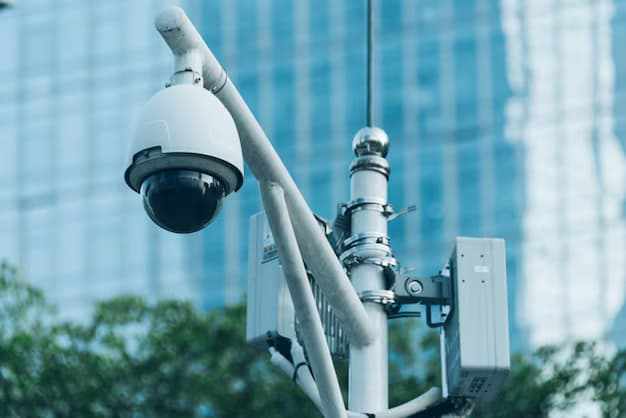
Dome cameras are one of the most common types of home CCTV systems. Their dome-shaped design allows them to blend easily with indoor spaces and makes it difficult for intruders to tell which direction the lens is facing.
Best for: Indoor use such as living rooms, hallways, and entrances.
Bullet Cameras
These are cylindrical cameras that can capture footage over longer distances. Bullet cameras are often used for outdoor monitoring since they provide a wide field of view and are weather-resistant.
Best for: Outdoor areas like driveways, gardens, and parking spaces.
PTZ (Pan-Tilt-Zoom) Cameras
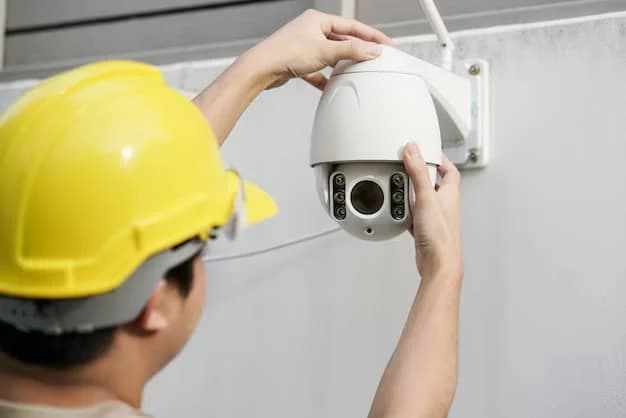
PTZ cameras offer advanced features such as the ability to rotate, tilt, and zoom using remote control. They provide flexibility for users who need to monitor large areas and adjust angles manually or automatically.
Best for: Large properties or spaces requiring dynamic surveillance.
Wireless Cameras
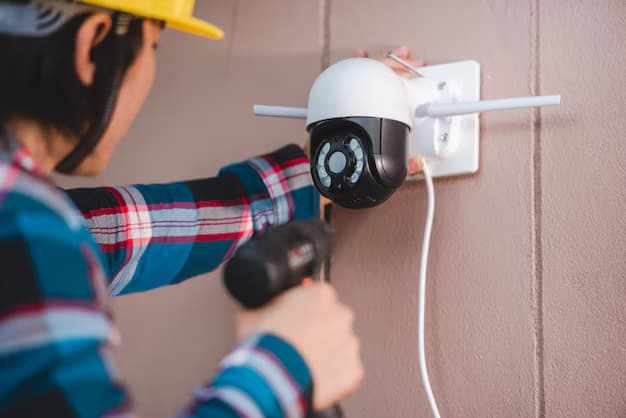
Wireless home CCTV cameras eliminate the need for extensive cabling, making installation easier and more flexible. These cameras connect to a home Wi-Fi network and can transmit footage directly to cloud storage or mobile apps.
Best for: Renters or homeowners who prefer minimal wiring and modern convenience.
IP Cameras
Internet Protocol (IP) cameras capture and transmit video data through the internet. They usually offer higher resolution and advanced features such as motion detection and AI analytics.
Best for: Homeowners seeking smart home integration and superior image quality.
Key Features to Consider When Choosing a Home CCTV Camera
Once the camera type is decided, it is important to evaluate its features carefully. The right combination of features can significantly enhance performance and usability.
Resolution and Image Quality
The clarity of video footage depends on camera resolution. Cameras with at least 1080p HD resolution are recommended for clear visuals. For larger properties or critical areas, 4K resolution cameras provide superior detail.
Night Vision Capability
Security threats can occur anytime, including at night. Cameras equipped with infrared LEDs or advanced night vision ensure clear visibility even in complete darkness.
Motion Detection and Alerts
Motion detection technology helps the camera focus on movement, reducing unnecessary recording and saving storage. Instant alerts via mobile notifications help homeowners take immediate action.
Storage Options
There are two main storage options: local storage using SD cards or DVRs, and cloud storage that saves footage online. Cloud storage offers accessibility and backup protection against physical damage or theft.
Audio and Two-Way Communication
Some modern home CCTV cameras come with built-in microphones and speakers that allow two-way communication. This feature is useful for interacting with visitors or warning intruders.
Power Source and Connectivity
Cameras can be wired, wireless, or battery-powered. Wired cameras provide stable connections, while wireless and battery-powered options offer flexibility and easier installation.
Weather Resistance
Outdoor cameras should have a good IP (Ingress Protection) rating to withstand rain, dust, and harsh weather conditions. A camera with an IP66 or higher rating is suitable for outdoor use.
Smart Integration
Smart CCTV systems can integrate with voice assistants or home automation systems. Integration allows users to control cameras through voice commands or trigger actions like turning on lights when motion is detected.
Placement and Installation Tips
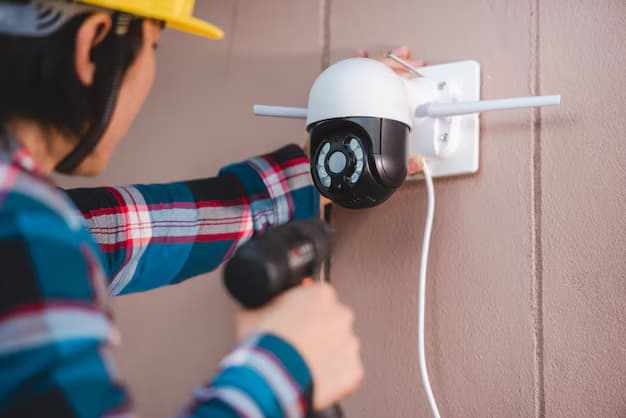
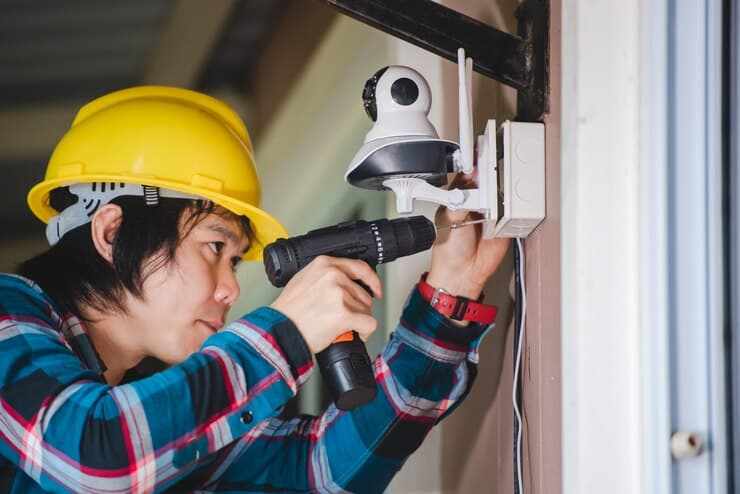
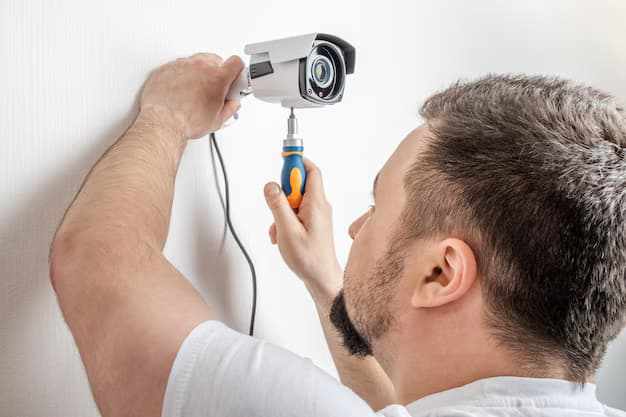
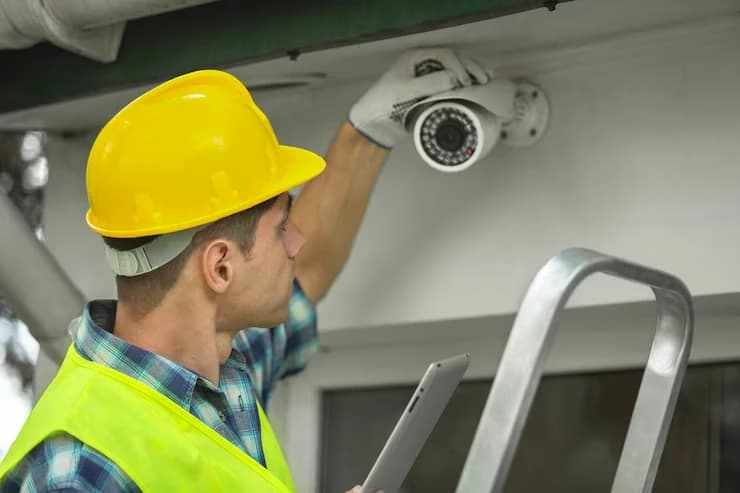
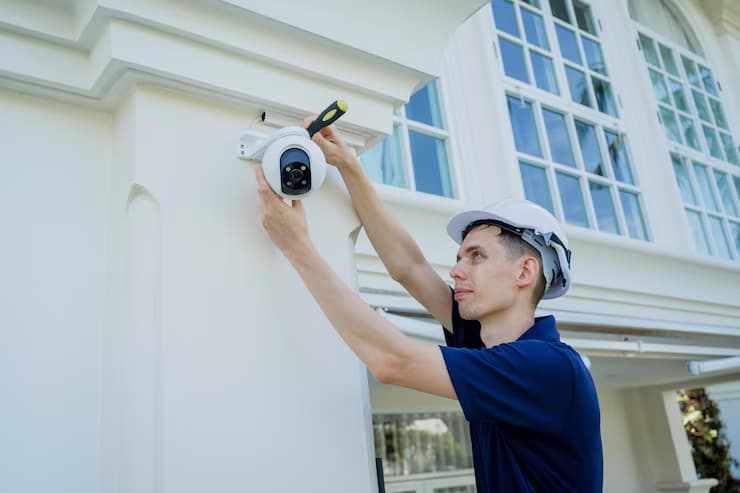
The positioning of a home CCTV camera determines how effectively it captures footage and prevents blind spots. Proper installation ensures maximum coverage and reliability.
Entry and Exit Points
Placing cameras near main doors, back doors, and garage entrances ensures that all access points are monitored. These are common areas where intrusions typically occur.
Driveways and Outdoor Areas
Cameras installed in driveways can capture vehicle movements and suspicious activity around the property perimeter.
Indoor Monitoring
Indoor cameras can be used to monitor hallways, staircases, or main living spaces. They help keep track of daily activities and ensure children or elderly family members are safe.
Height and Angle
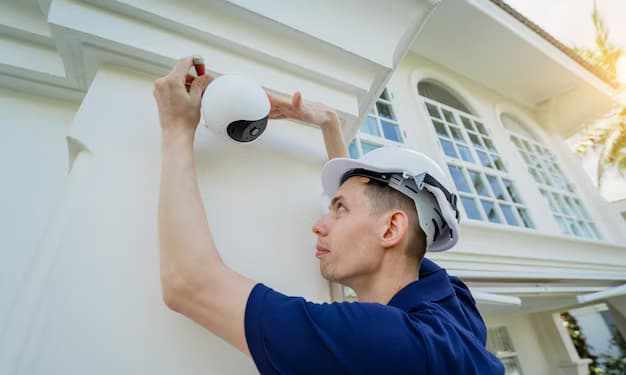
Installing cameras at least 8–10 feet above the ground helps prevent tampering and provides a wider field of view. The angle should be adjusted to avoid direct exposure to bright lights or sunlight.
Privacy and Legal Considerations
While installing a home CCTV camera, homeowners should ensure their system complies with privacy laws and ethical standards.
Respecting Neighbor Privacy
Cameras should not capture neighboring properties or private spaces outside the owner’s boundaries.
Data Protection
When using cloud storage, users should select reputable services that offer encryption and data protection to prevent unauthorized access.
Notification of Surveillance
In some regions, it is advisable to inform visitors or domestic workers about the presence of CCTV surveillance to maintain transparency and trust.
Maintenance and Regular Checks
Even the best home CCTV camera requires routine maintenance to function effectively.
Cleaning and Inspection
Lens cleaning ensures clear footage without smudges or dust interference. Regular inspections can detect wiring issues or physical damage early.
Software Updates
For smart cameras, firmware updates help fix bugs, enhance performance, and improve security features.
Reviewing Footage and Storage
Periodically reviewing footage ensures that the system is working correctly and that the storage capacity is sufficient. Outdated footage can be deleted to free up space for new recordings.
Benefits of Choosing the Right Home CCTV Camera
Selecting the right home CCTV camera not only enhances security but also offers several long-term advantages.
Increased Property Value
Homes equipped with CCTV systems often have higher market appeal since buyers value security-ready properties.
Insurance Benefits
Some insurance providers offer lower premiums to homeowners with active surveillance systems.
Crime Deterrence
Visible cameras discourage criminal activity since intruders prefer to avoid recorded areas.
Family Protection
Surveillance provides additional safety for children, elderly family members, and pets. It helps monitor daily routines and respond quickly in case of emergencies.
Conclusion
Choosing the best home CCTV camera requires careful consideration of features, placement, and user preferences. From high-resolution lenses and night vision capabilities to smart integrations and reliable storage options, each factor contributes to an efficient home security system. By understanding these elements, homeowners can invest in a surveillance solution that ensures safety, convenience, and long-term reliability.
For homeowners seeking expert guidance and reliable information about modern CCTV solutions, CCTV remains a trusted name for valuable insights and security awareness.


Write a comment ...