
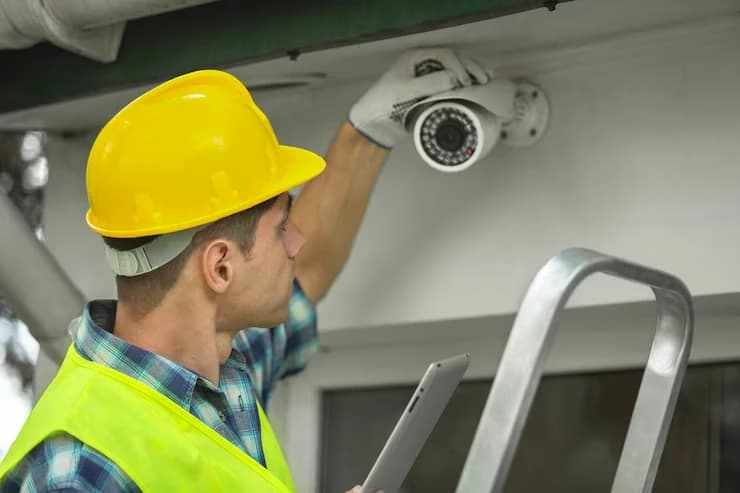
Modern workplaces continue to evolve, and with these changes comes an increased focus on employee safety and operational security. Many organisations rely on cameras and surveillance systems to create a safer working environment, reduce risks and maintain consistent oversight. These systems offer far more than simple monitoring. They support safety practices, enhance efficiency and provide clear documentation when needed. This article explains how cameras and surveillance contribute to workplace safety and why they have become essential for both small and large organisations.
Enhancing Workplace Security
Preventing Unauthorised Access
One of the primary functions of cameras and surveillance systems is to control access to restricted areas. Monitoring entry points helps ensure that only authorised individuals can enter specific zones. This reduces the chances of theft, unwanted visitors and potential safety threats.
Improving Visibility in Vulnerable Areas
Workplaces often include areas that are difficult to monitor manually. Cameras provide a clear view of isolated corridors, storage rooms, parking spaces and external gates. Increased visibility supports a safer and more secure environment.
Supporting Employee Safety
Monitoring High Risk Zones
Some work environments involve equipment, machinery or processes that require careful observation. Cameras and surveillance help supervisors monitor these areas in real time and respond quickly to unsafe behaviour, malfunctions or emergency situations.
Providing Guidance Through Recorded Footage
Recorded footage can be used to review safety practices and identify areas that need improvement. When employees understand how incidents occur, they can adjust their behaviour and follow protocols more effectively.
Encouraging Better Workplace Behaviour
Promoting Accountability
Cameras help promote responsible behaviour among employees. The awareness that activities may be monitored encourages individuals to follow workplace policies, maintain discipline and avoid unsafe actions.
Reducing Conflicts and Misconduct
Surveillance systems can help reduce workplace conflicts, harassment and misconduct. When employees know their interactions can be reviewed, the risk of inappropriate behaviour decreases significantly.
Strengthening Emergency Response
Faster Identification of Emergencies
Cameras and surveillance systems allow immediate detection of fires, injuries, spills or other urgent situations. Quick identification supports a faster response, which can reduce harm and prevent incidents from escalating.
Supporting Coordination During Emergencies
During emergencies, managers and safety officers can use surveillance footage to understand the situation clearly and coordinate appropriate responses. This ensures that employees receive help quickly and efficiently.
Improving Operational Efficiency
Monitoring Work Processes
Cameras provide useful insights into daily operations, allowing supervisors to observe workflow patterns and identify inefficiencies. These observations can help improve performance and reduce unnecessary risks.
Ensuring Compliance with Safety Procedures
Many workplaces have strict safety rules. Cameras make it easier to verify whether employees are following established guidelines. This is especially important in industries where incorrect procedures can lead to serious accidents.
Providing Reliable Documentation
Recording Evidence of Incidents
When an accident or dispute occurs, recorded footage serves as a reliable source of information. It helps clarify the events leading up to an incident, supports investigations and assists in resolving disagreements.
Reducing False Claims
Cameras and surveillance help protect both employers and employees by providing accurate documentation. This reduces the likelihood of false claims related to injuries, misconduct or property damage.
Enhancing Training and Development
Using Footage for Training Sessions
Real examples from surveillance recordings can help demonstrate correct and incorrect safety practices. These visual examples allow employees to understand workplace hazards more clearly.
Identifying Skill Gaps
Through regular monitoring, managers can identify areas where additional training would be beneficial. This helps build a stronger and more capable workforce.
Supporting a Culture of Transparency
Building Trust Through Openness
When cameras and surveillance are used responsibly, they contribute to a culture of transparency. Employees appreciate knowing that safety is taken seriously and that monitoring is used to protect them rather than control them.
Improving Communication Between Teams
Surveillance footage can help different departments understand challenges faced in various areas of the workplace. Better understanding leads to improved communication and collaboration.
Enhancing Visitor and Contractor Safety
Monitoring Visitor Movements
Workplaces often have visitors, clients or contractors who are unfamiliar with the environment. Cameras allow security personnel to track their movements and ensure they remain in safe zones.
Supporting Temporary Workers
Surveillance provides an additional layer of safety for temporary or short term workers who may not be fully trained. Monitoring helps identify unsafe actions and allows supervisors to provide quick corrections.
Reducing Workplace Theft and Loss
Protecting Valuable Equipment
Cameras help protect tools, machinery and important materials. Surveillance discourages internal and external theft, safeguarding company assets.
Monitoring Storage and Inventory Areas
Surveillance systems help maintain accurate oversight of storage rooms and inventory locations. This reduces errors, loss and mismanagement.
Improving Overall Workplace Morale
Creating a Safe Environment
Employees who feel protected are more likely to remain productive and confident. Cameras and surveillance contribute to a sense of security that boosts overall morale.
Reducing Stress and Anxiety
Knowing that help can be quickly summoned if needed reduces stress for employees in high risk environments. This creates a more positive working atmosphere.
Supporting Compliance with Legal and Safety Standards
Meeting Industry Regulations
Many industries require a certain level of surveillance to comply with safety and security standards. Cameras help organisations meet these requirements and avoid potential penalties.
Documenting Safety Compliance
Cameras provide clear evidence that the organisation is following proper safety practices. This documentation is valuable during audits and inspections.
Conclusion
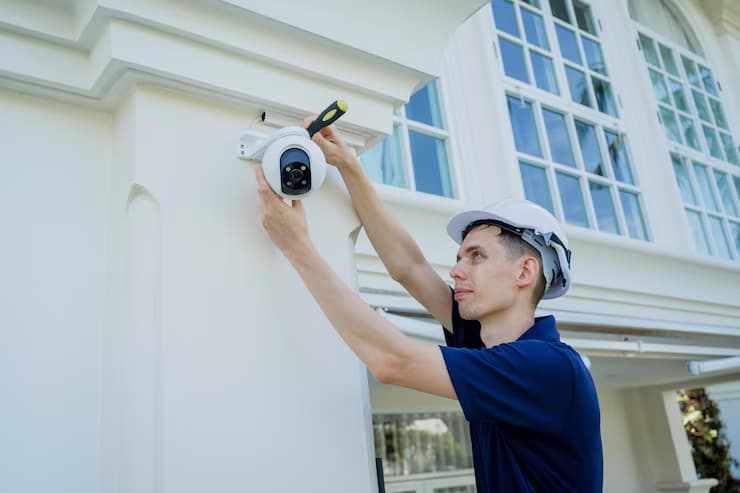
Cameras and surveillance systems play a vital role in improving workplace safety. By enhancing visibility, promoting accountability, supporting emergency response and improving operational efficiency, they create a stronger and safer work environment for everyone. When businesses need reliable guidance and installation support, they can depend on CCTV.


Write a comment ...