When it comes to securing a property, one of the most crucial decisions property owners face is selecting the right CCTV system. The two most common types of CCTV systems available today are analog and IP (Internet Protocol) cameras. Both offer valuable surveillance capabilities, but they differ significantly in terms of technology, performance, and the needs they address. In this article, we will compare these two types of CCTV systems, examining their differences, advantages, and limitations, to help you make an informed decision on the best system for your property.

1. Understanding CCTV Systems
What are CCTV Systems?
Closed Circuit Television (CCTV) systems are surveillance systems used to monitor and record activity in and around a property. They consist of cameras, recorders, and storage devices that capture, transmit, and store video footage. CCTV systems are an essential part of modern security, helping to deter crime, monitor activity, and provide evidence in the event of incidents.
The Basics of Analog and IP Cameras
Analog CCTV cameras have been the traditional choice for surveillance systems for many years. These cameras capture video signals in an analog format, which are then transmitted via coaxial cables to a recording device (DVR - Digital Video Recorder). IP cameras, on the other hand, use digital signals that are transmitted over an IP network, typically via Ethernet cables or Wi-Fi. The video footage from IP cameras is often stored on Network Video Recorders (NVRs), and it can be accessed remotely over the internet.
2. Video Quality: Resolution and Clarity
Analog Cameras
One of the primary limitations of analog CCTV systems is the video resolution. Analog cameras typically offer lower resolution compared to their IP counterparts. The quality of the video is generally limited to standard definition (SD), which means the footage may not capture fine details as clearly as high-definition (HD) or ultra-high-definition (UHD) cameras. While newer analog cameras offer higher resolutions, they still fall short when compared to IP cameras in terms of clarity and sharpness.
IP Cameras
IP cameras, by contrast, offer significantly higher resolutions. Modern IP cameras can easily provide high-definition (HD) or even 4K video quality, which is ideal for capturing clear, detailed images of faces, license plates, or small objects. This enhanced resolution improves the overall effectiveness of your CCTV system, as it allows for better identification and clearer recordings. Higher resolution also allows for digital zooming without losing image quality, which is particularly useful in critical areas like entrances and parking lots.
3. Installation and Setup
Analog CCTV Systems
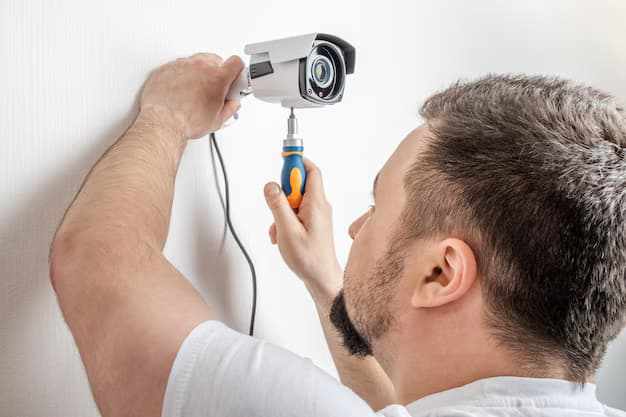
Analog systems are typically easier and quicker to install compared to IP cameras, particularly for smaller systems. Since the cameras use coaxial cables to transmit video signals, they do not require advanced network setups. For those with existing coaxial cable infrastructure, installing an analog system can be more cost-effective and simpler. However, the installation becomes more complex as the system scales up, as more cables and connectors are required.
IP CCTV Systems
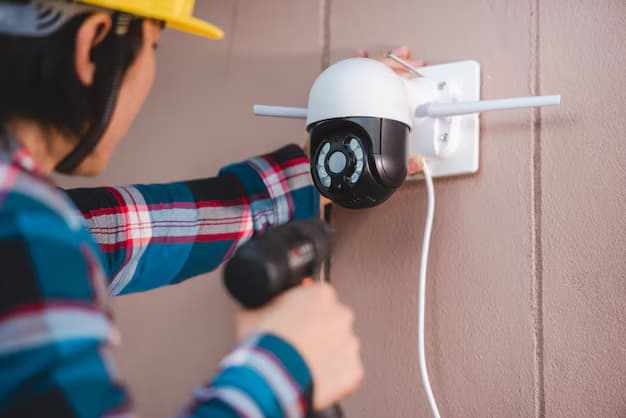
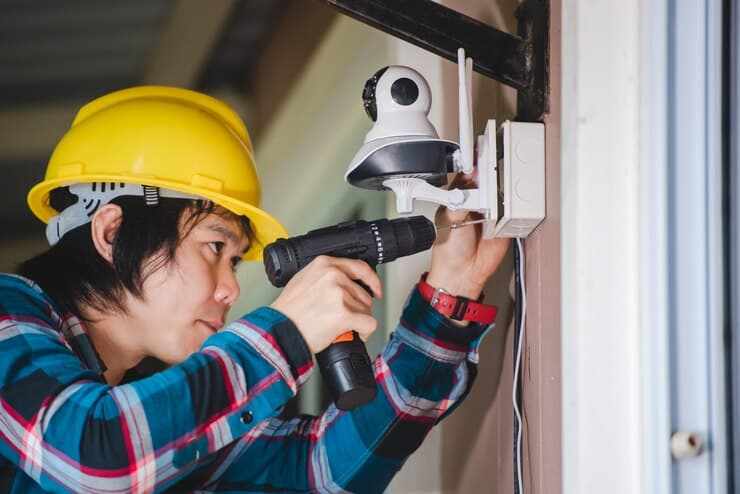
Installing an IP camera system can be more challenging and requires networking expertise, especially when it involves large-scale installations. IP cameras need to be connected to an existing network infrastructure (via Ethernet cables or Wi-Fi). As the system expands, so does the need for a robust network, and the installation may involve configuring routers, switches, and other networking equipment. However, IP camera systems offer greater flexibility and scalability. Once the network is in place, it becomes easier to add additional cameras to the system without significant changes to the infrastructure.
4. Connectivity and Flexibility
Analog CCTV Systems
Analog CCTV systems offer limited flexibility in terms of connectivity. Video feeds from analog cameras must be routed through coaxial cables to the DVR, and it can be challenging to integrate them with other systems such as access control or alarm systems. While some analog systems now offer digital video recorders (DVRs) that allow for remote viewing, the connectivity options are still more restricted compared to IP-based systems.
IP CCTV Systems
One of the main advantages of IP cameras is their connectivity. Since they operate over an IP network, they can be accessed remotely via smartphones, tablets, or computers, allowing property owners to monitor their property from virtually anywhere. IP cameras can also be integrated with other smart home or security systems, such as alarm systems, motion sensors, or lighting. This makes IP systems more versatile, as they offer greater control and integration than analog systems.
5. Scalability and Expansion
Analog CCTV Systems
When it comes to expanding an analog system, there are limitations. As you add more cameras, the complexity of the wiring increases, which can lead to challenges with cable management. Additionally, the DVR will have a limited number of input channels, which can become a bottleneck when trying to expand the system. Expanding an analog system can also require significant manual labor and additional hardware, making it more time-consuming and costly.
IP CCTV Systems
IP camera systems are much easier to scale. Since IP cameras run over a network, it is relatively simple to add more cameras to the system. All that is required is additional network ports or access points, and in many cases, no additional cabling is needed. For large properties or businesses with multiple locations, IP CCTV systems offer greater scalability and flexibility, as you can easily integrate additional cameras into the existing network.
6. Storage and Data Management
Analog CCTV Systems
In an analog CCTV system, video footage is typically stored on a DVR. The DVR has a limited storage capacity, and as the system records more footage, it may overwrite older data to make room for new recordings. This limited storage capacity can be a drawback, especially if you need to store large amounts of footage for extended periods. Upgrading the storage in an analog system can be challenging, as it may require replacing the DVR or adding external hard drives.
IP CCTV Systems
IP camera systems have the advantage of offering more flexible storage options. The footage can be stored on NVRs, which can be connected to external hard drives or cloud storage, providing virtually unlimited storage capacity. Cloud storage allows for secure off-site backup of footage, reducing the risk of losing data due to equipment failure or theft. Additionally, cloud-based storage allows for easy access to footage from anywhere, making it more convenient to manage and review recorded video.
7. Cost Considerations
Analog CCTV Systems
Generally, analog CCTV systems are less expensive than IP systems, both in terms of equipment and installation. The cameras themselves tend to cost less, and the installation process is simpler, which reduces labor costs. For small-scale applications or tight budgets, an analog CCTV system can offer a cost-effective solution. However, the long-term costs can add up, especially if the system needs to be expanded or upgraded to meet growing security needs.
IP CCTV Systems
IP cameras are typically more expensive than analog cameras, both in terms of initial setup costs and long-term maintenance. The cameras themselves are more advanced and offer superior resolution, while the installation process requires network infrastructure and possibly additional networking equipment. However, IP camera systems offer better value in the long run, especially for larger properties, due to their scalability, advanced features, and easier integration with other systems. Additionally, the cost of storage and data management for IP systems can be more flexible, depending on whether you use local storage or cloud-based services.
8. Reliability and Durability
Analog CCTV Systems
Analog systems are known for their reliability, as they are less susceptible to network failures or internet disruptions. As long as the coaxial cables remain intact and the DVR operates correctly, the system will function reliably. However, analog systems may experience signal degradation over long distances, especially if the cables are not of high quality.
IP CCTV Systems
IP cameras are more vulnerable to network issues. If the network connection is interrupted, the cameras may stop transmitting footage, potentially leaving parts of your property unmonitored. However, with the right network infrastructure and maintenance, IP systems can be very reliable and provide high-quality footage without the degradation problems that analog systems may face.
Conclusion
Both analog and IP CCTV systems offer valuable security benefits, but they cater to different needs. Analog CCTV systems are ideal for smaller properties or those with budget constraints, offering cost-effective installation and reliable performance. However, IP CCTV systems provide superior video quality, scalability, flexibility, and connectivity, making them the better choice for larger properties, businesses, or those looking for a more advanced surveillance solution.
For professional guidance and expert CCTV installation, trust CCTV to help you choose and install the right system that meets your security requirements.




Write a comment ...